Across rural America, agriculture is entering a new era. From drones and data-driven planting to smart irrigation and automated livestock monitoring, technology is transforming how farms operate. These advancements are part of AgTech (agriculture technology) and they’re changing the future of rural economies.
But here’s the challenge: AgTech runs on connectivity. Without high-speed, reliable internet, farmers can’t fully access the tools and data that modern agriculture demands. That’s where fiber broadband comes in.
For electric cooperatives investing in broadband, fiber isn’t just a service, it’s infrastructure that empowers local farms, fuels innovation, and future-proofs entire communities.
The rise of AgTech in rural America
Farming has always been a high-stakes business. Weather, fuel prices, crop demand and supply chain logistics can shift overnight. AgTech helps farmers manage those variables with real-time data, automation, and remote monitoring.
In recent years, farms have started adopting technologies such as:
- Precision agriculture tools that use GPS and sensors to target irrigation, fertilization, and planting
- IoT devices that monitor soil moisture, crop health, and equipment performance
- Automated irrigation systems that respond to environmental conditions in real time
- Livestock tracking systems for animal health, location, and feed efficiency
- Drones and robotics for surveying fields and performing labor-intensive tasks
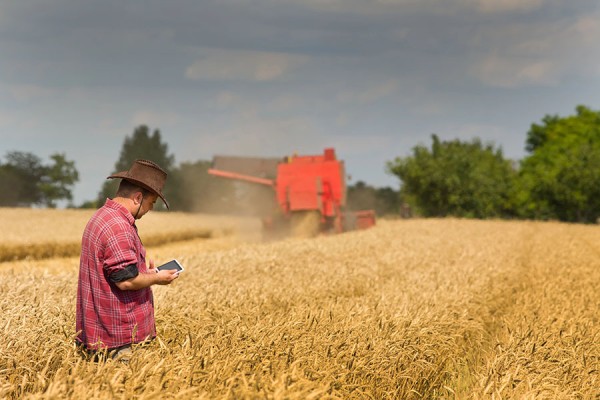
27% of farms used at least one form of precision agriculture technology, and that number is growing. But many of these tools rely on real-time data exchange and cloud connectivity to work effectively.
The problem: rural connectivity can’t keep up
While AgTech adoption is rising, many rural areas still struggle with poor internet access. The USDA estimates that 23% of people in rural areas, including farms, lack adequate broadband, and many more are stuck with outdated DSL or spotty wireless service.
The lack of infrastructure can make it difficult, or impossible, for farmers to access:
- Live sensor data from remote fields
- Cloud-based platforms that analyze crop performance
- Software updates for high-tech machinery
- Remote diagnostics for connected equipment
It’s not just inconvenient, it’s a competitive disadvantage. Farmers without high-speed internet are less able to optimize outputs, reduce waste, or respond quickly to threats such as drought, pests, or equipment failures.
The solution: fiber powers the future of farming
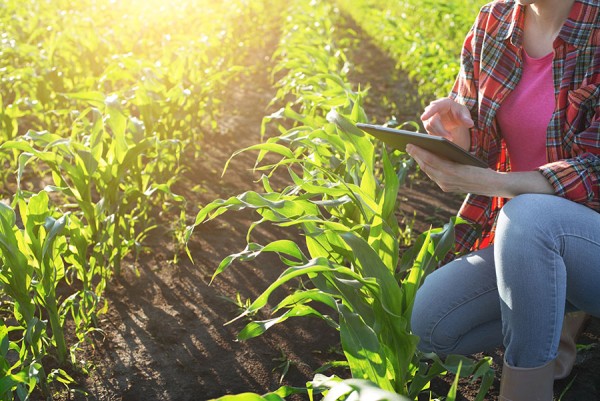
Fiber broadband is uniquely suited to support AgTech. It offers high-capacity, low-latency connections that make real-time data transfer seamless, even across large properties and multiple devices.
Here’s how fiber supports the core elements of agricultural automation:
Precision agriculture
With fiber, farmers can use GPS-guided tractors, satellite imagery, and data-driven crop planning without delays. Systems can sync data in real time to the cloud, helping optimize every square foot of farmland.
Smart irrigation
Fiber supports remote-controlled irrigation systems that adjust water use based on weather patterns, soil moisture, and crop needs, saving both water and money.
Livestock monitoring
Wearables and sensor systems can track animal movement, feeding behavior, and health data. With a fiber connection, farmers receive alerts instantly and can act quickly if something is wrong.
Equipment diagnostics and maintenance
Connected tractors and machinery can upload performance data and receive over-the-air updates. Fiber allows these systems to communicate with manufacturers or service providers in real time, reducing downtime.
Climate and environmental monitoring
Fiber makes it possible to collect data from environmental sensors across wide areas. That data helps farmers make decisions that improve sustainability and protect yields in changing conditions.

Why electric cooperatives are key to the solution
Electric cooperatives already serve the backbone of rural infrastructure, and they’re uniquely positioned to close the connectivity gap. By expanding into fiber broadband, co-ops help to enable the next generation of rural innovation.
At Conexon, we work with co-ops to:
- Build fiber networks that reach farms and outbuildings, not just households
- Create cost-efficient deployment models that align with member needs
- Leverage funding opportunities to reduce buildout costs
- Offer scalable solutions that can evolve as AgTech needs grow.
When co-ops bring fiber to their members, they’re not just solving today’s internet problems, they’re building economic resilience and supporting the long-term vitality of rural communities.
Fiber is the future of rural agriculture and co-ops are the key to delivering it
As farming becomes more connected and data-driven, rural internet needs to evolve with it. AgTech has the power to increase yields, improve sustainability, and reduce labor, but only if the infrastructure is there to support it.
At Conexon, we’re proud to help co-operatives build the networks that power smarter, stronger rural economies. If you’re planning your broadband strategy, we’re here to help, every step of the way.
Let’s talk about how your co-op can bring fiber-powered agriculture to life.
FAQ’s
1. What exactly is AgTech, and how is it changing modern farming?
AgTech, or agricultural technology, refers to the use of digital tools, automation, and data-driven systems to improve farming efficiency and sustainability. This includes GPS-guided tractors, smart irrigation, soil and crop sensors, livestock tracking, and drones. By giving farmers real-time insights and automation capabilities, AgTech helps them make faster, more informed decisions, reduce waste, and increase yields — but it depends heavily on reliable, high-speed internet.
2. Why is internet connectivity such a critical factor for farms adopting AgTech?
Most AgTech systems rely on real-time data transfer, cloud computing, and remote monitoring. Without strong connectivity, devices like soil sensors, irrigation controllers, or GPS-guided machinery can’t communicate effectively or sync data. This limits farmers’ ability to optimize operations or respond to changing conditions. Simply put, without broadband, the full potential of AgTech tools remains out of reach.
3. How does fiber broadband specifically benefit agricultural operations compared to other internet options?
Fiber broadband provides high-capacity, low-latency connections that allow seamless data transmission across large rural areas. Unlike outdated DSL or inconsistent wireless connections, fiber supports multiple high-demand applications at once — such as precision agriculture, equipment diagnostics, and environmental monitoring. Its speed and reliability ensure farmers can run cloud-based tools, receive instant alerts, and manage connected equipment without interruptions.
4. What role do electric cooperatives play in bringing fiber to rural farms?
Electric cooperatives are uniquely positioned to close the rural connectivity gap because they already maintain infrastructure that reaches deep into rural areas. By expanding into fiber broadband, co-ops can extend high-speed service to farms, barns, and outbuildings that traditional providers often overlook. With support from partners like Conexon, co-ops can design cost-effective deployment models, leverage funding opportunities, and deliver scalable fiber networks that grow alongside agricultural needs.
5. How does investing in fiber broadband strengthen rural communities beyond agriculture?
While fiber enables smarter farming, its benefits extend far beyond the fields. It enhances education, healthcare access, remote work, and small business growth — all vital to thriving rural economies. For electric cooperatives, building fiber networks means fostering long-term economic resilience, attracting new opportunities, and ensuring rural communities stay connected and competitive in a technology-driven world.