For electric cooperatives looking to close the digital divide, launching a fiber broadband project is one of the most impactful decisions they can make. But while the end goal is clear, the path to get there can feel complex.
That’s why a strategic, step-by-step approach is essential. By carefully planning each phase, co-ops can control costs, reduce risk, and deliver a network that meets performance expectations today and in the future.
At Conexon, we’ve guided dozens of co-ops using a step-by-step process, from the first feasibility study to the final connection.
Step 1: Feasibility study and business case development
Every successful fiber project starts with a deep understanding of the opportunity and challenges.
A feasibility study explores whether there’s sufficient demand among members, where the estimated costs of building and operating the network will be, and how those costs align with expected take rates and revenue potential.
It also looks at the broader financial model, identifying whether the project is viable long term, and what funding opportunities may be.
This stage includes market research, high-level engineering assessments, and financial modelling. At Conexon, we work closely with co-ops to create a detailed business case that clearly outlines risks, highlights grant and funding options, and defines a financially sustainable path forward. A strong feasibility study gives boards the confidence to move forward and builds the case for community support, laying the foundation for long-term success.

Step 2: Network design and engineering
Once the business case is approved, the next step is to move from concept to design.
Network design is a critical phase that involves GIS mapping (Geographic Information System), route planning, and detailed cost modelling.
The goal is to plan a network that uses existing co-op infrastructure, like poles and rights-of-way, to keep costs low and deployment efficient.
Designers also consider performance, scalability, and regulatory requirements to ensure the network will meet both immediate and future needs. Conexon’s engineering teams specialize in rural deployments, and understand how to account for long distances, low population density, and varying terrain, without compromising reliability or service quality.
Step 3: Construction management and deployment
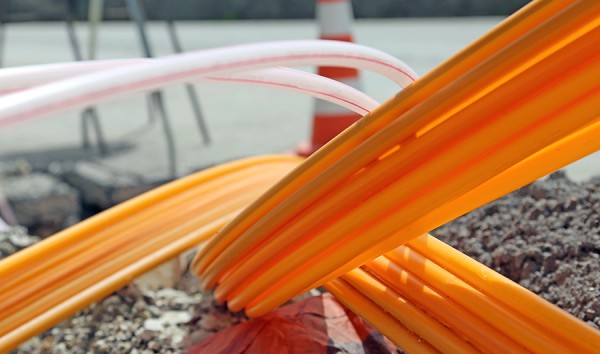
With funding secured and plans in place, construction begins. This phase includes make-ready work to prepare poles and infrastructure, as well as aerial or underground fiber installation. It’s a fast-moving process that also involves splicing, testing, and drop installation to connect homes and businesses.
Managing construction efficiently requires coordination between local crews, subcontractors, utility teams, and internal co-op staff. Conexon supports this with on-the-ground project management, ensuring each milestone is met and that quality control remains high throughout the build.
Member communication is also crucial during this stage. We help co-ops keep communities informed, whether it’s through construction updates, service area maps, or sign-up campaigns, so members are ready to connect as soon as service becomes available.
Step 4: Operations, customer service, and long-term support
Once the network is operational, the focus shifts to delivering high-quality service and a strong customer experience. Day-to-day operations include network monitoring, routine maintenance, and responding quickly to outages or technical issues.
On the customer side it’s about managing installations, offering responsive support, and handling billing and account management smoothly.
Co-ops can manage these functions internally or partner with providers like Conexon Connect to handle the customer-facing side of service. Either way, our goal is to help co-ops maintain high satisfaction rates, build trust with members, and ensure the network continues to meet performance expectations over time.
We also support co-ops with long-term planning, helping them evolve their offerings, scale their network, and keep pace with member demand and industry innovation.

Why a step-by-step approach pays off
No two rural fiber builds are exactly alike. Every co-op operates in a different landscape, with different budgets, timelines, and member needs. That’s why the process must be flexible, adaptable, and focused on local priorities.
But while each project is unique, the most successful ones have one thing in common - a strategic, step-by-step approach. At Conexon, we’ve helped electric cooperatives across the country design and build rural broadband networks that span more than 200,000 miles, and we continue to refine our process with every project.
When you build with a clear roadmap, experienced guide, and the support of your members, the results speak for themselves.
Building a fiber broadband network is a major investment, but it’s also a transformational opportunity. When electric co-ops follow a phased, strategic approach, from feasibility studies and design, to deployment and support, they create networks that deliver lasting value. At Conexon, we’re proud to help co-ops bring world-class fiber internet to rural communities, and we’re here to guide every step of the way.
Ready to start your project? Let’s talk.
FAQs
1. Why is a feasibility study the first and most important step in launching a fiber broadband project?
A feasibility study helps an electric cooperative determine whether a fiber project is financially and technically viable before investing significant resources. It evaluates member demand, construction costs, potential revenue, and available funding opportunities. This phase provides a clear business case for the board and members, reducing risk and ensuring that the project has a sustainable financial foundation.
2. How does network design impact the long-term success of a fiber broadband build?
Network design directly affects performance, scalability, and cost-efficiency. Using GIS mapping and route planning, designers identify optimal paths that leverage existing co-op infrastructure, like poles and rights-of-way, to lower expenses. A well-engineered design ensures the network can handle current and future demand while maintaining reliability—especially important in rural areas with challenging terrain and low population density.
3. What challenges do cooperatives face during the construction and deployment phase?
Construction can be complex and fast-moving, involving coordination among multiple teams—contractors, co-op staff, and utility crews. Challenges often include preparing poles (“make-ready” work), managing weather delays, and maintaining quality across large geographic areas. Effective project management and community communication are essential to keeping timelines on track and ensuring members know when they can expect service.
4. Once the network is built, how do co-ops ensure a high-quality customer experience?
After deployment, the focus shifts to reliable operations and strong customer service. This includes continuous network monitoring, prompt maintenance, and responsive support for installations or outages. Some co-ops manage these tasks internally, while others partner with providers like Conexon Connect to handle customer-facing operations, billing, and support—ensuring members receive seamless service and satisfaction remains high.
5. What makes the step-by-step approach recommended by Conexon so effective?
The step-by-step approach provides structure and reduces risk in what can otherwise be a daunting process. By dividing the project into clear, manageable phases—from feasibility to design, construction, and operations—co-ops can make informed decisions at each stage. This method ensures flexibility to address local needs while maintaining strategic oversight, resulting in more reliable builds, controlled budgets, and long-term community value.